
It Takes Faith To Roll The Stone Away
Glory Sunday reminds us that God’s glory is often revealed in the places that feel the most final. In John 11, we encounter a story that holds tension, grief, and hope all at once. Lazarus is dead, buried, and mourned, and yet Jesus steps into the scene not with panic, but with purpose. What stands out immediately is the kind of faith we see in Martha. She says, “But I know that even now God will give you whatever you ask.” It’s faith—but it’s hesitant. It believes in possibility, but not fully in certainty. And that mirrors us more than we might want to admit. We often believe God can move, but we’re unsure if He will. We pray, but with limits. We trust, but only up to a point. Yet resurrection requires more than a moment of belief—it requires a faith that persists, even when nothing seems to be changing.
Part of that persistent faith is understanding that we have direct access to the Father. There is no need to hesitate, no need to filter our prayers, no need to feel like we are bothering God. He already knows what we need, and still, He invites us to come. This challenges the quiet belief many of us carry—that we should hold back or only bring certain things to Him. But Jesus shows us that relationship with the Father is marked by confidence, not distance. We are invited to ask boldly, to come honestly, and to trust that He hears us fully. Where we tend to speak in “maybe,” God responds with “will.” When Martha speaks in possibility, Jesus answers with certainty: “Your brother will rise again.” God’s perspective is not limited by what we see; He speaks from a place of eternal knowing, where even death is not the end.
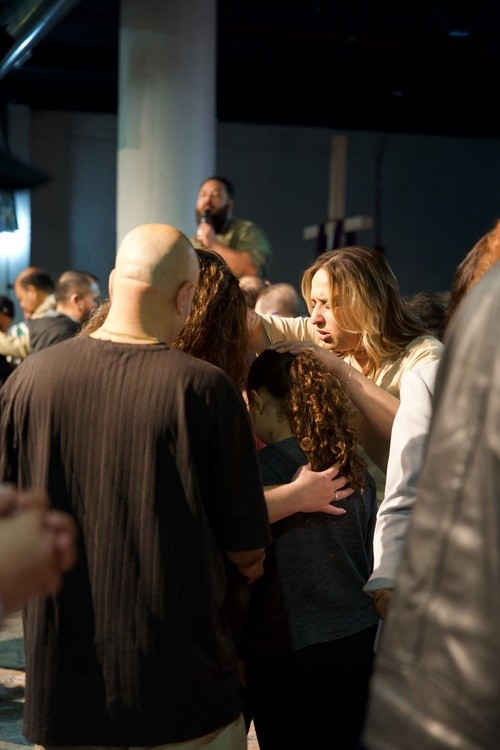
This leads us into a deeper truth: for God’s glory to be revealed in greater measure, something often has to die. That’s the part we resist. We want breakthrough without surrender, resurrection without death, glory without sacrifice. But the pattern of the Kingdom is clear. Sometimes what needs to die isn’t the situation—it’s what’s within us. Pride, fear, control, old mindsets, and even hidden sin can keep us from experiencing the fullness of what God wants to do. The invitation is not just to ask God to fix things, but to pray, “Lord, crucify this.” Because anything surrendered into His hands is never wasted, and what dies with Him has the potential to be raised in a new way.
Before Jesus performs the miracle, He asks a question that still echoes today: “Where did you lay him?” It’s not a question of information, but of invitation. Jesus is asking them to bring Him to the very place of loss, the place of burial, the place they’ve already accepted as final. In the same way, He invites us to stop hiding what feels dead in our lives and instead bring it fully before Him. Whether it’s disappointment, grief, unanswered prayers, or parts of our faith that have grown quiet, He is asking for access. Not because He doesn’t know, but because He desires our participation—our honesty, our confession, our willingness to let Him in.
Before Jesus performs the miracle, He asks a question that still echoes today: “Where did you lay him?” It’s not a question of information, but of invitation. Jesus is asking them to bring Him to the very place of loss, the place of burial, the place they’ve already accepted as final. In the same way, He invites us to stop hiding what feels dead in our lives and instead bring it fully before Him. Whether it’s disappointment, grief, unanswered prayers, or parts of our faith that have grown quiet, He is asking for access. Not because He doesn’t know, but because He desires our participation—our honesty, our confession, our willingness to let Him in.
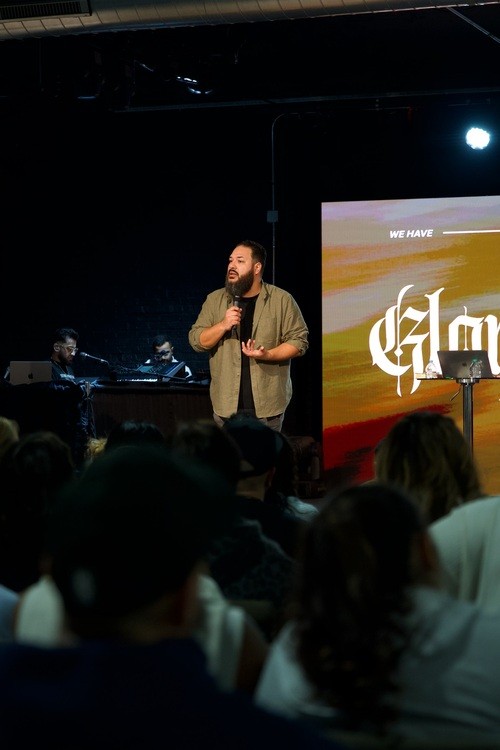
What makes this moment even more powerful is that before Jesus raises Lazarus, He weeps. “Jesus wept” is one of the shortest verses in Scripture, yet it reveals something profound about the heart of God. He is not distant from our pain. He does not rush past it in order to get to the miracle. He stands with us in it, feels it with us, and calls us friend in the middle of it. Even knowing what He is about to do, Jesus allows Himself to fully enter into the grief of the moment. This reminds us that our pain is not ignored or minimized. It is seen, it is felt, and it is held with compassion. And even more, it carries purpose.
Jesus’ delay was not neglect—it was intentional. He had already spoken what would happen, yet He allowed the process to unfold. He prophesied before it, waited through it, felt it with them, and then resurrected it. This reframes how we understand our own lives. The waiting, the confusion, the pain—none of it is meaningless. There is purpose being formed, even when we can’t yet see the outcome. God is not absent in the delay; He is working within it.
When Jesus finally approaches the tomb, He gives a command: “Take away the stone.” This is where faith moves from belief into action. Jesus could have removed the stone Himself, but He invites those around Him to participate. And often, the barrier between us and what God wants to do is not His ability, but our willingness to respond. There are stones in our lives—fear, doubt, comfort, and even disappointment—that we’ve learned to live with. But Jesus asks us to trust Him enough to move them. Even when it feels too late. Even when others question it. Even when everything suggests that nothing can change. Faith says, “I will move the stone anyway.”
Jesus’ delay was not neglect—it was intentional. He had already spoken what would happen, yet He allowed the process to unfold. He prophesied before it, waited through it, felt it with them, and then resurrected it. This reframes how we understand our own lives. The waiting, the confusion, the pain—none of it is meaningless. There is purpose being formed, even when we can’t yet see the outcome. God is not absent in the delay; He is working within it.
When Jesus finally approaches the tomb, He gives a command: “Take away the stone.” This is where faith moves from belief into action. Jesus could have removed the stone Himself, but He invites those around Him to participate. And often, the barrier between us and what God wants to do is not His ability, but our willingness to respond. There are stones in our lives—fear, doubt, comfort, and even disappointment—that we’ve learned to live with. But Jesus asks us to trust Him enough to move them. Even when it feels too late. Even when others question it. Even when everything suggests that nothing can change. Faith says, “I will move the stone anyway.”
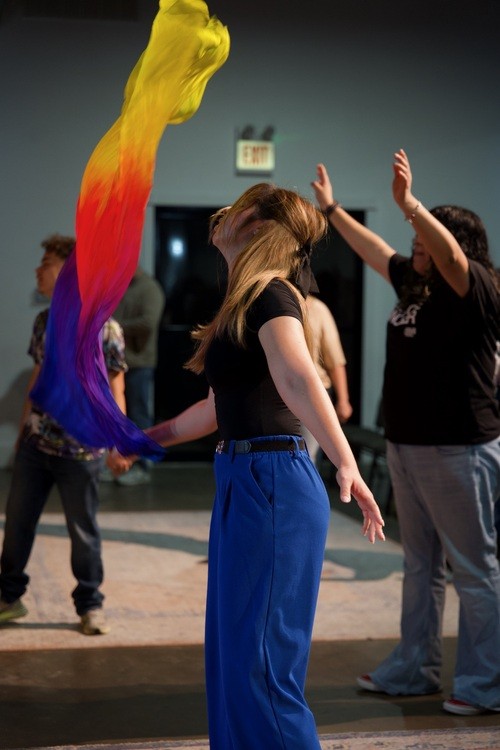
There will always be voices that try to pull us away from this kind of belief—voices that tell us it’s over, that it’s too far gone, that we should stop hoping. But as people rooted in Christ, we are called to stand differently. We are not shaken by what we see because our confidence is anchored in who He is. Jesus is still the resurrection and the life. Not just in this story, but in every place that feels lifeless in us today. He is still calling things forth. He is still breathing life into what we thought was over.
So the invitation remains: bring Him the dead thing. Name it. Confess it. Lay it before Him. And then choose faith—not hesitant, but persistent. Not distant, but grounded. Because when Jesus speaks, life follows. And what He has declared will not remain buried forever.
So the invitation remains: bring Him the dead thing. Name it. Confess it. Lay it before Him. And then choose faith—not hesitant, but persistent. Not distant, but grounded. Because when Jesus speaks, life follows. And what He has declared will not remain buried forever.
Want to Go Deeper?
If this sermon spoke to you and you’re ready to explore it further, this study guide is for you! Inside, you’ll find key Scriptures, reflection questions, and practical applications to help you grow in your faith. Open it up, dig in, and let God’s Word transform your life!
No Comments