
Waiting with Purpose: The Power of Spiritual Tension
In our fast-paced world, waiting is often seen as an inconvenience, a waste of time, or even a curse. We've become accustomed to instant gratification, from same-day deliveries to on-demand entertainment. But what if waiting, when approached with the right mindset, could be a powerful spiritual practice?
The Hebrew word "kavah" offers a profound insight into the nature of waiting. Unlike the passive, idle waiting we often think of, kavah describes a tension-filled, purposeful waiting. It's derived from the word "kav," meaning rope - suggesting a binding together, a pulling taught with anticipation.
Imagine a racehorse behind the gates before a race, or a dog straining at its leash. There's energy, focus, and a burning desire for release. This is the kind of waiting we're called to as believers - not a listless killing of time, but an active, expectant posture of the heart.
The Psalmist captures this beautifully: "I wait for the Lord, my whole being waits, and in his word I put my hope. I wait for the Lord more than watchmen wait for the morning." (Psalm 130:5-6)
Picture a watchman on duty through the dangerous night hours. His waiting isn't passive; it's marked by vigilance, alertness, and a deep longing for the dawn. With each moment, his anticipation grows. The watchman's entire being is invested in this wait, knowing that the morning brings safety, clarity, and relief.
The Hebrew word "kavah" offers a profound insight into the nature of waiting. Unlike the passive, idle waiting we often think of, kavah describes a tension-filled, purposeful waiting. It's derived from the word "kav," meaning rope - suggesting a binding together, a pulling taught with anticipation.
Imagine a racehorse behind the gates before a race, or a dog straining at its leash. There's energy, focus, and a burning desire for release. This is the kind of waiting we're called to as believers - not a listless killing of time, but an active, expectant posture of the heart.
The Psalmist captures this beautifully: "I wait for the Lord, my whole being waits, and in his word I put my hope. I wait for the Lord more than watchmen wait for the morning." (Psalm 130:5-6)
Picture a watchman on duty through the dangerous night hours. His waiting isn't passive; it's marked by vigilance, alertness, and a deep longing for the dawn. With each moment, his anticipation grows. The watchman's entire being is invested in this wait, knowing that the morning brings safety, clarity, and relief.
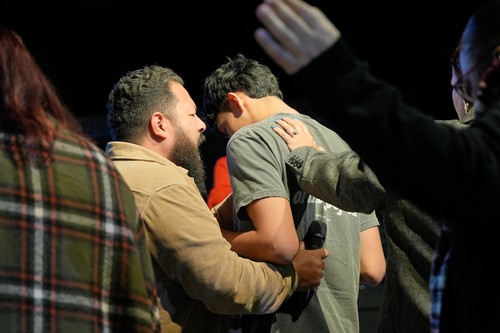
This is the posture we're invited to adopt in our spiritual lives. We're called to wait for God with our whole beings - not just our minds, but our hearts, bodies, and spirits fully engaged. It's a waiting that's fueled by hope and grounded in God's promises.
But why is this kind of waiting so important? In our instant-everything culture, we've lost sight of the value of holy anticipation. We've become too comfortable, too settled in our current state. The danger is that we can lose our hunger for God's presence, for His return, for the fulfillment of His promises.
The early church had a powerful word that captured this spirit of longing: "Maranatha." It's an Aramaic phrase meaning "Come, Lord Jesus!" It was a cry of the heart, expressing both deep longing and joyful anticipation for Christ's return.
We need to recapture this Maranatha spirit in our lives and churches today. It's not about passive waiting, but about living with a holy urgency. When we truly believe that Christ could return at any moment, it changes how we live. It compels us to:
But why is this kind of waiting so important? In our instant-everything culture, we've lost sight of the value of holy anticipation. We've become too comfortable, too settled in our current state. The danger is that we can lose our hunger for God's presence, for His return, for the fulfillment of His promises.
The early church had a powerful word that captured this spirit of longing: "Maranatha." It's an Aramaic phrase meaning "Come, Lord Jesus!" It was a cry of the heart, expressing both deep longing and joyful anticipation for Christ's return.
We need to recapture this Maranatha spirit in our lives and churches today. It's not about passive waiting, but about living with a holy urgency. When we truly believe that Christ could return at any moment, it changes how we live. It compels us to:
- Prioritize reconciliation: We can't afford to harbor grudges or leave relationships broken. The time to forgive and seek forgiveness is now.
- Live with integrity: If Jesus could return today, how would that impact our choices, our words, our actions?
- Share our faith boldly: The reality of Christ's return should fuel our evangelism with compassion and urgency.
- Pursue holiness: We're called to be a pure and spotless bride, ready for our Bridegroom's return.
- Engage in justice and mercy: As we long for God's kingdom to come in fullness, we work to see glimpses of it break through in our world today.
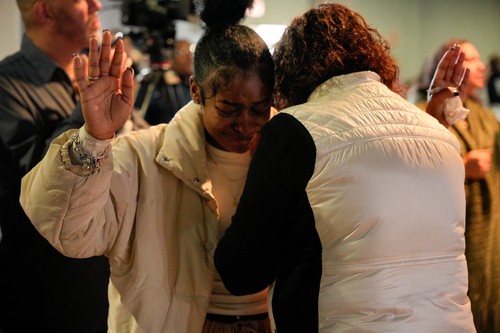
Consider how this applies to various areas of life:
As we cultivate this spirit of kavah - this active, anticipatory waiting - we position ourselves for powerful encounters with God. We become more attuned to His voice, more responsive to His leading, more aligned with His heart.
So, how do we practically cultivate this kind of waiting?
As we embrace this kavah way of waiting, we'll find ourselves transformed. Our prayers will become more fervent, our worship more passionate, our service more joyful. We'll live with a sense of holy urgency, making the most of every opportunity to love God and love others.
So, let's not see waiting as a burden, but as a blessed opportunity. Let's allow the tension of unfulfilled longing to draw us closer to God's heart. And let's live each day with the eager expectation that at any moment, we might hear the trumpet sound and see our Savior face to face.
Maranatha! Come, Lord Jesus!
- In relationships: The tension of waiting for reconciliation can motivate us to take the first step, to have difficult conversations, to pursue healing actively.
- In personal growth: The tension between where we are and where God is calling us can spur us on to new disciplines, new risks, new obedience.
- In our communities: The tension we feel over injustice or brokenness can fuel our prayers and our actions to be agents of change.
- In our spiritual lives: The tension of longing for more of God's presence can drive us deeper into prayer, worship, and Scripture.
As we cultivate this spirit of kavah - this active, anticipatory waiting - we position ourselves for powerful encounters with God. We become more attuned to His voice, more responsive to His leading, more aligned with His heart.
So, how do we practically cultivate this kind of waiting?
- Immerse yourself in God's promises: Let His Word fuel your hope and expectation.
- Practice regular times of silence and stillness: Create space to feel the holy tension of longing for God.
- Pray with urgency: Let your prayers be filled with "Maranatha" cries - "Come, Lord Jesus!"
- Live with eternal perspective: Make decisions in light of eternity, not just temporary comfort or gain.
- Cultivate holy discontent: Don't settle for spiritual mediocrity; always hunger for more of God.
- Act on your longings: Let your waiting propel you into obedience and service.
As we embrace this kavah way of waiting, we'll find ourselves transformed. Our prayers will become more fervent, our worship more passionate, our service more joyful. We'll live with a sense of holy urgency, making the most of every opportunity to love God and love others.
So, let's not see waiting as a burden, but as a blessed opportunity. Let's allow the tension of unfulfilled longing to draw us closer to God's heart. And let's live each day with the eager expectation that at any moment, we might hear the trumpet sound and see our Savior face to face.
Maranatha! Come, Lord Jesus!
WANNA GO DEEPER?
If this sermon spoke to you and you’re ready to explore it further, this study guide is for you! Inside, you’ll find key Scriptures, reflection questions, and practical applications to help you grow in your faith. Open it up, dig in, and let God’s Word transform your life!
No Comments